PPE Powers American Energy Dominance

Oil & Gas accounts for ~8% of U.S. GDP. It directly employs 12.3M workers and supports millions more through its extensive supply chain.

American Energy is a Safety Leader

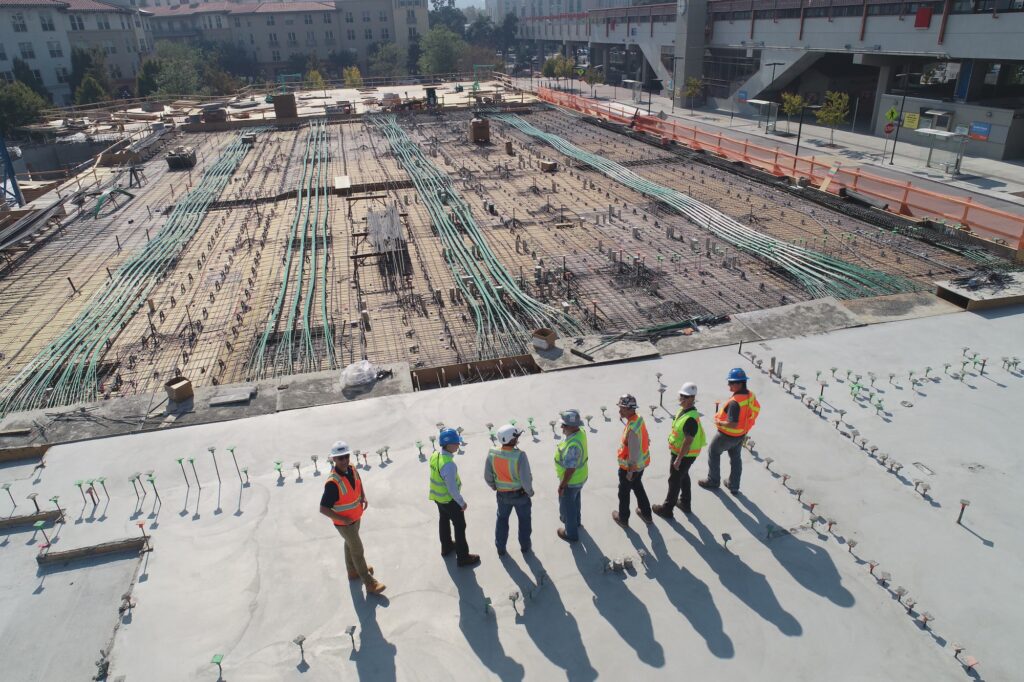
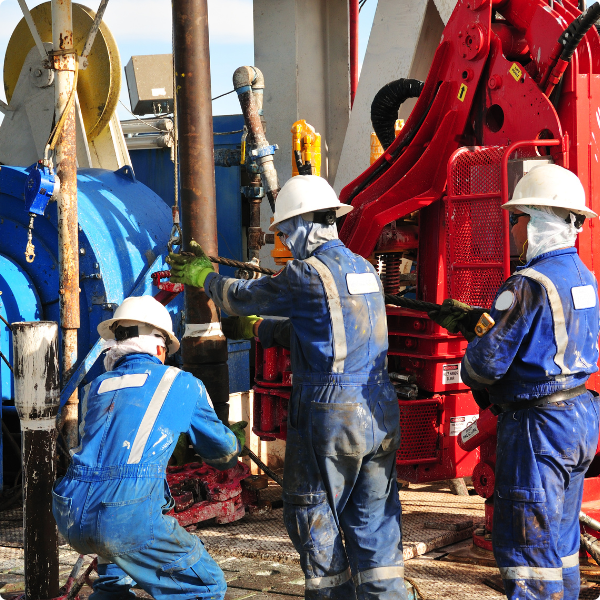
From the oil fields of West Texas to the refineries of Louisiana, energy industry workers are routinely exposed to harsh environments, explosive atmospheres, heavy machinery, and confined spaces.

Despite this, injury rates in Oil & Gas are lower than most other capital-intensive industries, due to the industry’s strong record of investing in safety. This is good for workers and balance sheets. A single day of lost production at a refinery can cost $25M.

$25 Million Lost

Every day a refinery is off line

68% Lower

Injury rate for Oil & Gas compared to General Manufacturing

PPE Keeps America’s Energy Renaissance Running

Over 1M American energy sector workers rely on PPE daily, including flame-resistant clothing, respiratory protection, safety gloves, helmets, and gas detection devices.

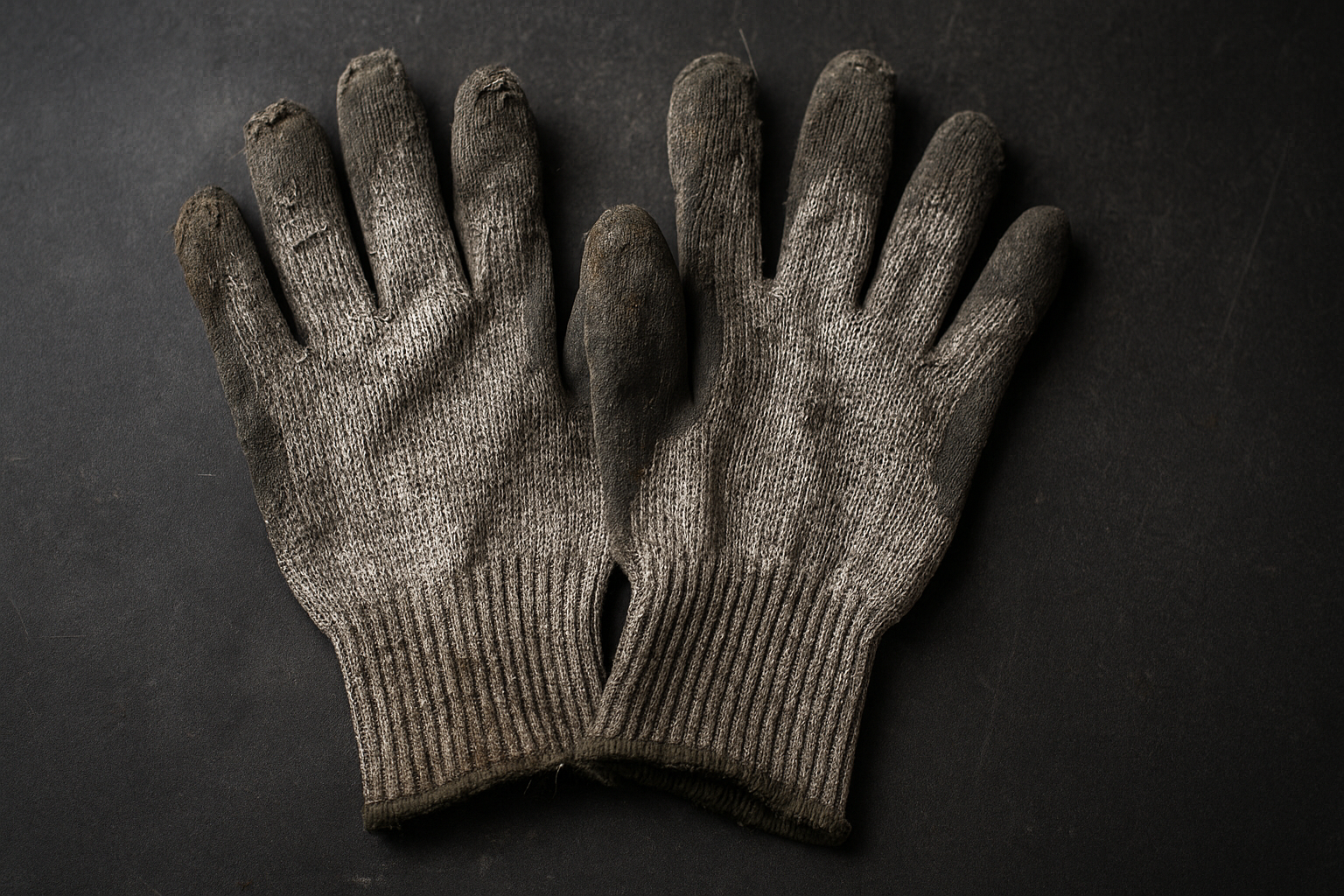
Hand injuries account for over 50% of oil & gas industry injuries. A $5 pair of cut-resistant gloves prevents a $40,000 hand injury.

Oil & gas workers are exposed to harmful substances. $50 coveralls protect the worker against burn injuries which can cost $100,000+.

Want to Learn More About How Tariffs Affect Worker Safety?

A Global Safety Supply Chain is Good for Workers

These and other critical types of PPE are not produced in sufficient quantities, and at sufficient quality levels, in the U.S. Critical components are globally sourced and cannot be easily or quickly re-sourced domestically without compromising quality or availability.

“A majority of fire resistant high visibility fabric (critical for oil & gas PPE) is made in the U.S. However, there isn’t the workforce or production capacity in the U.S. to manufacture finished garments at scale. We’ve attempted near-shoring twice (in Mexico), but we were plagued with quality issues, production delays, and labor cost increases. Our lost sales were in the hundreds of thousands of dollars. Buying fabric in the U.S., shipping it to Asia for production, and then reimporting is less expensive than nearshoring, resulting in a higher quality (and safer) product, and allowing us to keep costs low for the workers we protect.” — VP Operations, U.S. PPE Manufacturer

PPE Tariffs Put American Energy Dominance at Risk

ISEA analysis shows that a tariff-induced increase in PPE prices, and decrease in PPE availability, will have a negative impact on worker safety and U.S. economic output.

If worker injuries increase by just 1% (the most conservative estimate), the impact is projected to be:

25,690

American workers injured

$1.1 Billion

Cost to the U.S. economy

PPE Tariffs Put American Energy Dominance at Risk

59% of ISEA members report safety professionals delaying PPE purchases, in many cases using PPE far beyond its useful lifespan.
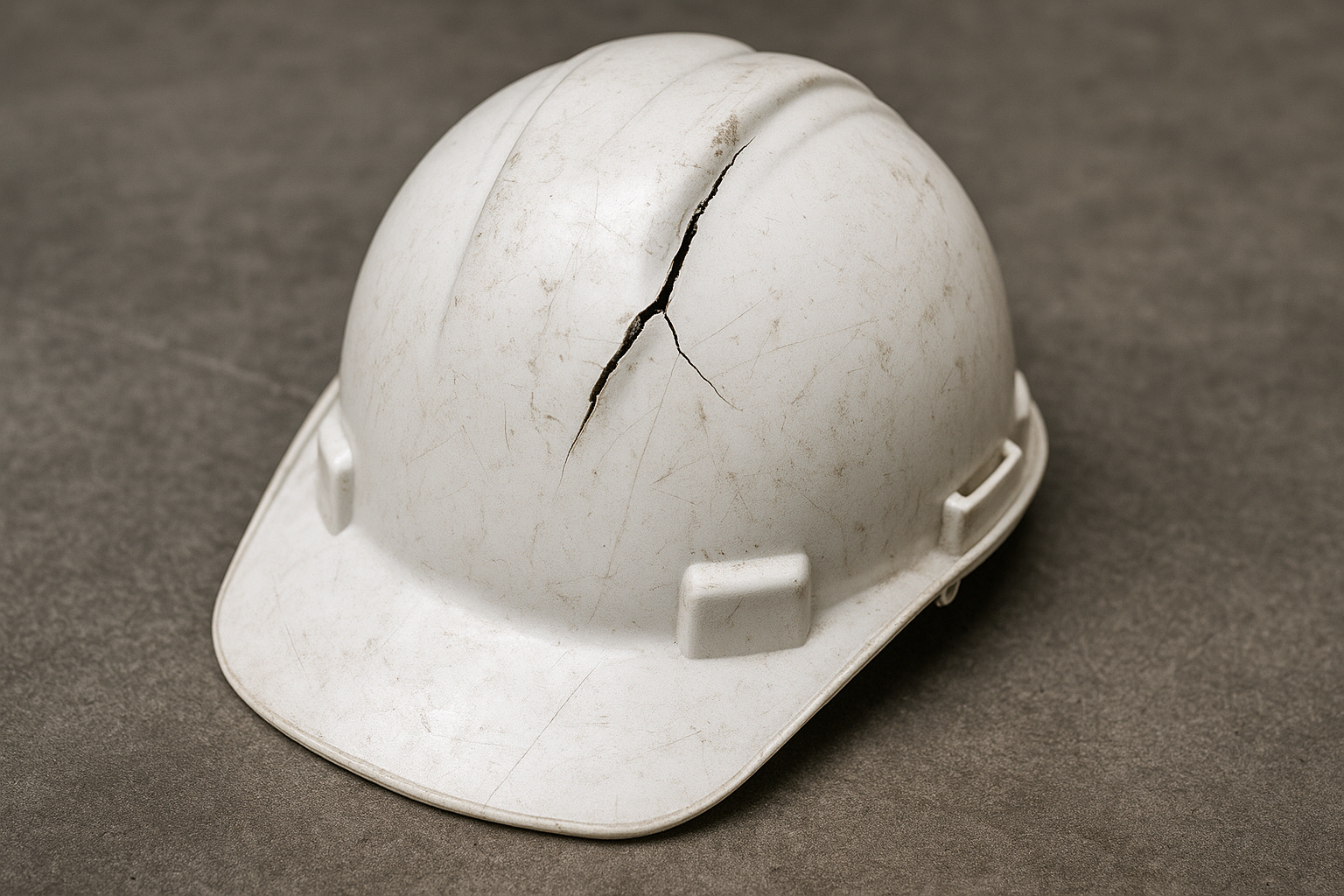
Workplaces Are Downgrading PPE Quality

41% report safety professionals switching to cheaper, potentially less protective PPE, putting workers at risk.


PPE Keeps America Running

$25 Million Lost

Annual economic activity generated by the 125 million U.S. workers using PPE on the job

$176.5 Billion

Annual cost of worker injuries and deaths to the U.S. economy

Sources: ISEA, National Safety Council

Join the Workplace Safety Movement - Save Lives at Work

ISEA is proud to stand alongside safety professionals, employers, and industry leaders in promoting a proactive approach to workplace health. By advocating for access to naloxone, supporting overdose response education, and collaborating with public health organizations, ISEA helps equip workplaces with the tools they need to save lives and foster safer environments for all employees.