ANSI/ISEA 107-2026 expands sizing flexibility for smaller workers and advances how high-visibility garments are evaluated
A safety vest can meet every technical requirement and still create a hazard if it doesn’t fit the person wearing it.
That practical reality is among the issues addressed in the newly updated ANSI/ISEA 107-2026, American National Standard for High-Visibility Safety Apparel, released by the International Safety Equipment Association (ISEA). The revised standard introduces changes intended to improve fit for smaller-bodied workers, modernize testing methods and provide manufacturers, safety professionals and employers with clearer information about the performance of high-visibility apparel.
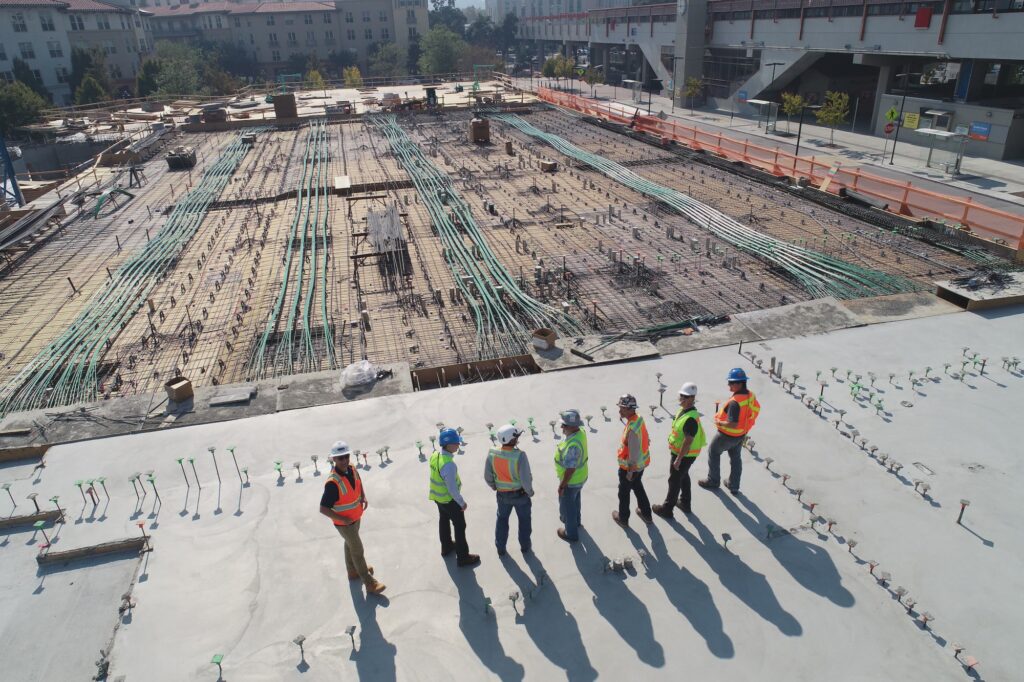
The standard establishes requirements for high-visibility safety apparel worn by workers who need to be seen around moving vehicles, equipment and other hazards, including road crews, utility workers, construction workers, emergency responders and others. Its purpose is to improve worker conspicuity and help reduce struck-by hazards and injuries. Over 45 million workers in the U.S. wear high-visibility vests, and many millions more wear coveralls or other ANSI/ISEA 107-compliant workwear.
One of the most significant changes in the 2026 edition involves sizing.
Previous requirements allowed manufacturers to use a reduced amount of fluorescent background material on the single smallest size offered. The revised standard expands that allowance to smaller sizes through Medium for Type R Performance Class 2 and Class 3 garments. It also includes more precise sizing and measurement provisions intended to support consistent fit across a wider range of body types.
Poorly fitting PPE can create problems of its own. Oversized high-visibility garments can snag on equipment, interfere with movement or cause reflective materials to sit differently on the body than intended. The revised provisions give manufacturers greater flexibility to develop garments that fit smaller workers while continuing to meet the standard’s visibility requirements.
“High visibility only works when the PPE works for the person wearing it,” said Chris Gaudette, Manager of Specifications and Testing at ORAFOL Americas and Chair of ISEA’s High-Visibility Product Group. “This revision recognizes that workers come in different sizes and builds greater flexibility into the standard without compromising the visibility and performance workers depend on. At the same time, we’re giving manufacturers and safety professionals better tools for evaluating how garments perform.”
Updated Testing, Definitions, and Documentation
ANSI/ISEA 107-2026 also modernizes a number of technical provisions behind the garments workers wear every day.
Laboratory test references for characteristics including colorfastness, dimensional stability, tear and bursting strength, water resistance and reflectivity have been updated to current AATCC, ASTM and ISO methods. The underlying performance thresholds remain largely unchanged, but products will now be evaluated using updated testing procedures.
Additional changes include:
- Updated references for flame-resistant apparel, including NFPA 1950-2025 and NFPA 2112-2023.
- Clearer definitions of mandatory, recommended and optional provisions.
- New requirements addressing non-continuous reflective bands and additional parameters for split-trim designs.
- A clearer requirement that manufacturers provide a Declaration of Conformity for each style or model upon request.
- Requirements that garment markings remain legible throughout the garment’s duration of use.
- Guidance ensuring non-fluorescent hoods do not obscure required high-visibility materials.
What Isn’t Changing
Just as important for employers and workers is what the revision does not change.
The familiar Type O, Type R, and Type P system remains, as do Performance Classes 1, 2, 3, and E. The three approved fluorescent background colors — fluorescent yellow-green, fluorescent orange-red, and fluorescent red — also remain unchanged, along with core requirements governing reflective performance and garment design.
The update also does not mean high-visibility garments compliant with the previous edition suddenly become obsolete. Following publication, products tested and labeled to both editions are expected to coexist during a transition period.
“Standards have to evolve as we learn more about how PPE performs and how people actually use it,” Cam Mackey, president and CEO of ISEA. “The goal isn’t change for the sake of change. It’s making sure the standard continues to incorporate current science, current testing practices and the needs of the workers it is designed to protect.”
ANSI/ISEA 107-2026 was developed through ISEA’s standards-development process with participation from manufacturers, material suppliers, testing laboratories and other industry stakeholders.
ANSI/ISEA 107-2026, American National Standard for High-Visibility Safety Apparel, is available at safetyequipment.org/high-visibility-standard.
About ISEA
ISEA is the voice of the safety equipment industry, which protects more than 126 million workers in America. For more than 90 years, we have been a recognized leader in the development of ANSI-accredited safety equipment standards. We advocate on behalf of the industry for policies that improve worker safety, deliver actionable insights into the safety equipment market, develop critical skills for safety sales professionals, and provide a unique forum for collaboration, learning and growth. Visit safetyequipment.org to learn more.