
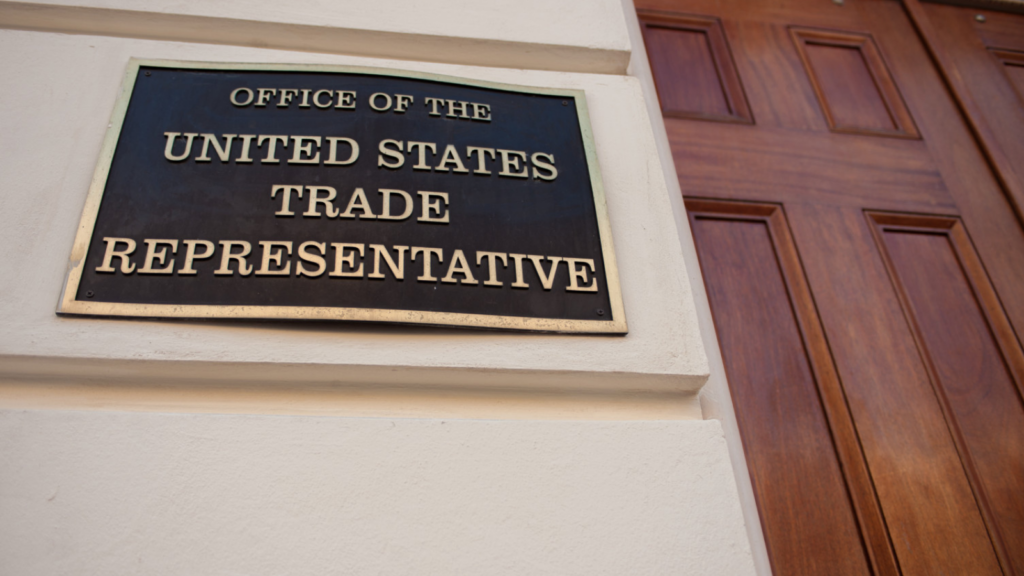
On May 20, ISEA submitted formal comments to the Office of the U.S. Trade Representative (USTR) urging the Administration to exempt personal protective equipment (PPE) and safety equipment from proposed Section 301 tariff actions tied to structural excess capacity investigations.
The letter is part of ISEA’s ongoing outreach and advocacy efforts to ensure policymakers understand the unique role PPE plays in protecting American workers, supporting critical industries, and strengthening the U.S. economy.
Why This Matters
PPE directly impacts worker health and safety. Higher costs for essential safety products can force employers to delay replacement cycles, purchase lower-performing equipment, or reduce overall PPE deployment.
ISEA’s message to USTR is clear: tariffs on PPE create unintended consequences that put workers and businesses at risk.
The letter highlights new economic modeling commissioned by ISEA showing that tariff-driven reductions in PPE use could lead to:
- Increased workplace injuries and fatalities
- Higher operational and healthcare costs
- Reduced productivity and economic output
- Greater strain on employers already facing inflationary pressures
According to the study, even a modest 10% reduction in PPE deployment could contribute lead to:
- 143 additional workplace fatalities
- 46,800 additional injuries
- More than $2.2 billion in economic harm
Key Issues Raised in the Letter
ISEA’s comments focus on several major concerns:
1. PPE Is Essential Infrastructure
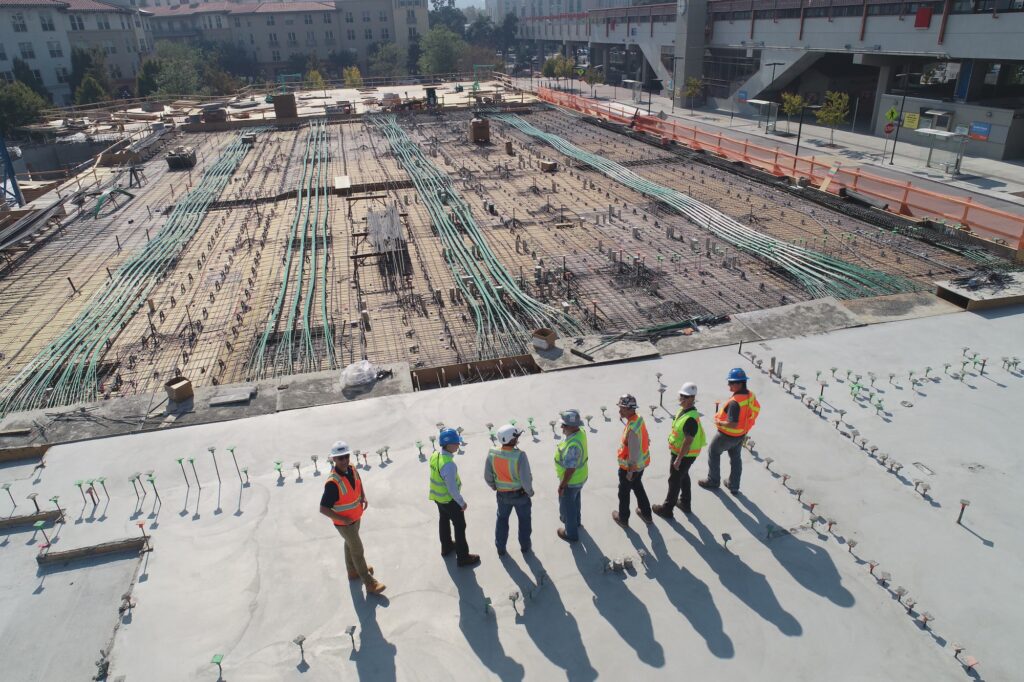
More than 125 million American workers rely on PPE every day across industries including healthcare, construction, manufacturing, energy, emergency response, and transportation.
2. Domestic Capacity Can Not Meet Demand
For many types of PPE — including nitrile gloves — there is no significant domestic industrial base to meet demand at scale.
3. Allied Supply Chains Matter
ISEA emphasized the importance of maintaining strong trade relationships with key allied manufacturing partners, including Malaysia and Vietnam, which play critical roles in supplying essential PPE products.
4. Long-Term Manufacturing Solutions Are Needed
In addition to tariff relief, ISEA urged the federal government to support “warm-base” domestic manufacturing strategies for respirators and other critical PPE categories to improve surge readiness during future emergencies.
Part of a Broader Advocacy Effort
This latest submission reflects ISEA’s continued engagement with federal policymakers on tariffs, trade, supply chain resilience, and worker safety.
As tariff discussions continue in Washington, ISEA will continue advocating for policies that recognize PPE and safety equipment as critical tools for protecting America’s workforce and economy.
 Read the full letter here.